Biometric Gateways: Facilitating Seamless Transitions Between Verified Payments and Diverse Gaming Options in Mobile Settings
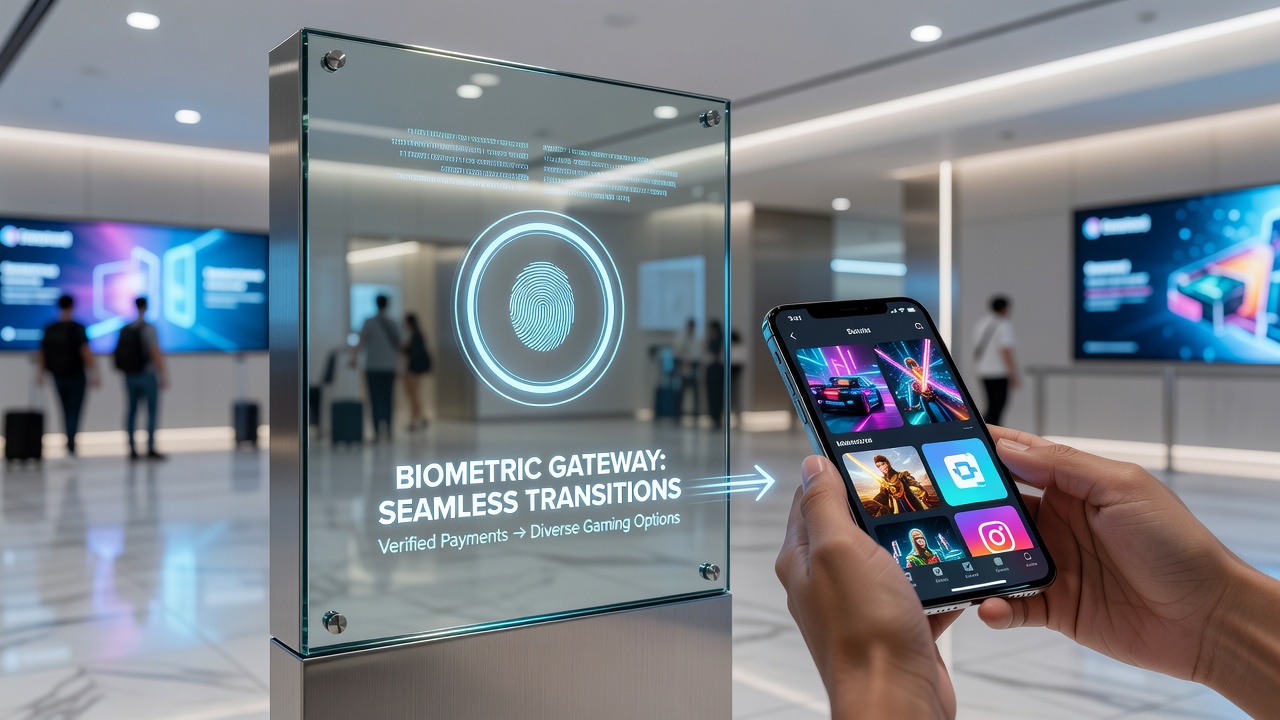
Biometric gateways have emerged as a core component in mobile gaming platforms where verified payments connect directly to varied game selections without repeated manual inputs, and operators integrate fingerprint or facial recognition to confirm user identity during each transaction cycle. These systems rely on device-embedded sensors that capture and match biometric data against stored templates, which allows players to move from deposit confirmation to slot machines, table games, or live dealer sessions in a single workflow. Data from industry tracking shows adoption rates climbed steadily through the first half of 2026, particularly on devices running updated operating systems that support advanced encryption standards for biometric templates.
Core Mechanics of Biometric Verification in Mobile Transactions
Biometric gateways function by converting physical traits into encrypted digital hashes that platforms compare against enrollment records before authorizing fund transfers or game access, and this process occurs locally on the device to limit data transmission. Researchers at several technology institutes note that false acceptance rates have dropped below 0.1 percent in controlled tests conducted during 2025, which supports broader deployment across regulated markets. Payment flows begin when a user selects a game category, triggers the biometric prompt, and completes verification before the system routes funds from linked accounts to the chosen title, and observers report that this sequence reduces session interruptions compared with traditional PIN or password methods.
Integration with diverse gaming catalogs happens through API connections that tag each verified transaction with user preferences, allowing platforms to surface recommended options such as progressive slots, virtual sports, or multiplayer tables immediately after authentication completes. In July 2026 several operators updated their mobile interfaces to embed these gateways deeper into navigation menus, which enabled quicker shifts between verified wallet balances and new game lobbies without separate login steps.
Security Protocols and Regulatory Alignment
Security frameworks around biometric gateways incorporate liveness detection and multi-factor layering to counter spoofing attempts, while compliance teams align these tools with data protection rules issued by agencies in North America and parts of Asia. The National Institute of Standards and Technology published updated guidelines in early 2026 that outline template storage requirements and audit procedures for gaming applications, and operators who adopted those specifications reported fewer compliance reviews during quarterly assessments. External audits conducted by independent laboratories confirm that encrypted biometric data remains isolated from payment processor databases, which limits exposure if a device experiences unauthorized access.
Impact on User Navigation Across Game Types
Players encounter fewer friction points when moving between verified payment stages and selections such as high-volatility slots, live roulette streams, or casual instant-win titles, because the gateway maintains a persistent authenticated state for the duration of the session. Platform analytics released mid-2026 indicated that average time from deposit initiation to first spin decreased by measurable margins on devices equipped with these gateways, and similar patterns appeared across both iOS and Android ecosystems. Those who monitor usage trends point out that the technology also supports tiered reward pathways by linking verified activity directly to loyalty tracking systems without additional data entry.
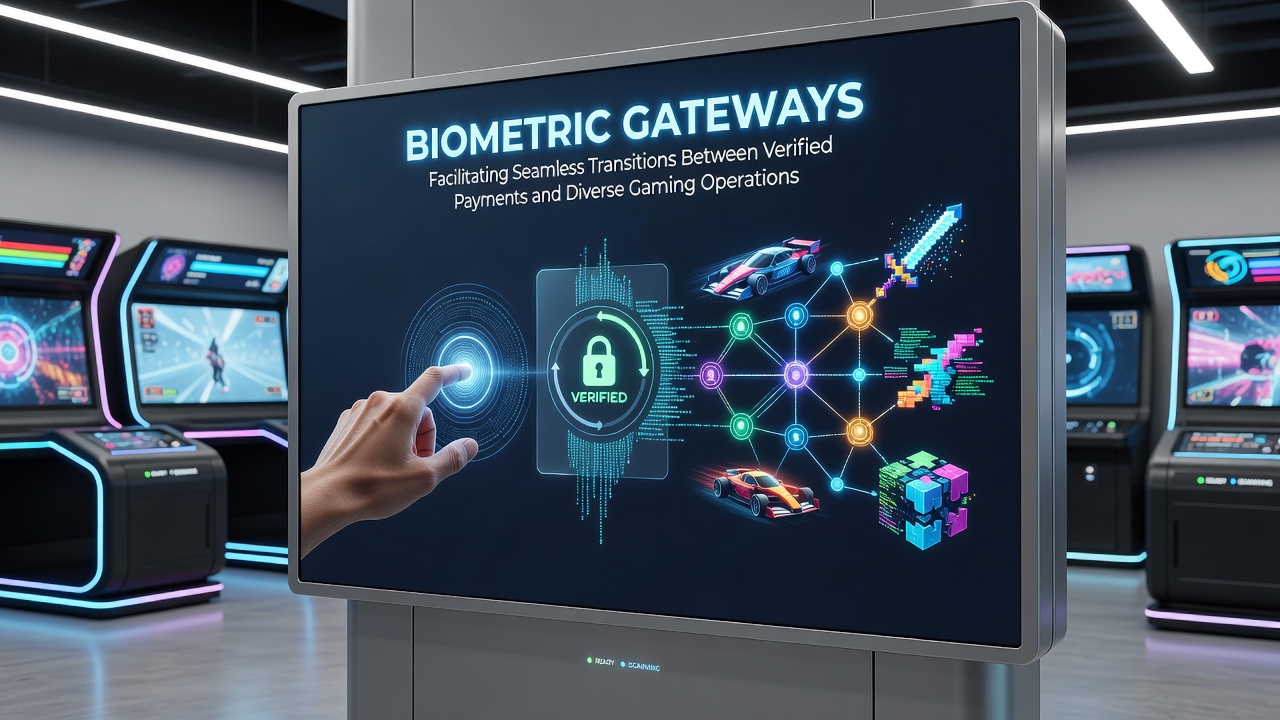
Case examples from operators in regulated jurisdictions show that biometric gateways integrate with existing game catalogs through standardized protocols, which permits simultaneous display of deposit options and featured titles on the same screen. This setup reduces the number of taps required to explore new releases or switch between game genres, and data collected during peak hours in July 2026 revealed higher engagement metrics on titles promoted immediately post-verification.
Technical Infrastructure Supporting Cross-Platform Compatibility
Developers build biometric gateways atop secure enclave technologies present in modern mobile hardware, and these enclaves isolate sensitive matching operations from the main operating system. Compatibility extends across multiple device generations provided the hardware meets minimum sensor resolution thresholds, and software updates rolled out in spring 2026 expanded support for additional regional payment networks. Industry reports from the European Gaming Association highlight that standardized testing protocols now cover both payment verification and game catalog rendering, which ensures consistent performance regardless of the specific titles a user selects after authentication.
Network latency measurements taken during live operations demonstrate that gateway responses typically complete within two seconds under standard mobile data conditions, and this speed supports uninterrupted transitions even when users browse extensive libraries containing hundreds of titles. Maintenance routines include periodic template refreshes and sensor calibration checks that operators schedule during low-traffic windows to avoid affecting active sessions.
Future Developments in Biometric-Enabled Mobile Gaming
Continued refinement of biometric algorithms focuses on handling varied lighting conditions and device orientations, while research institutions explore multimodal approaches that combine facial and voice elements for added resilience. Regulatory bodies in multiple regions continue to evaluate expanded use cases, including integration with age-verification modules required for certain gaming categories. As of July 2026, pilot programs in select markets test gateway extensions that allow verified users to carry authentication status across companion applications, which could further streamline access to promotional content tied to payment history.
Conclusion
Biometric gateways continue to shape how verified payments interface with expanding mobile game selections by streamlining authentication and maintaining security standards aligned with current regulatory expectations. Data collected through mid-2026 shows measurable reductions in transaction friction across diverse platforms, and ongoing technical advancements support broader compatibility without compromising template protection. Observers tracking the sector note that these systems position operators to meet evolving user expectations around speed and variety while satisfying compliance requirements in active jurisdictions.