Charting Shifts in Oversight Protocols and Their Effects on Interactive Table Options Within Handheld Wagering Systems
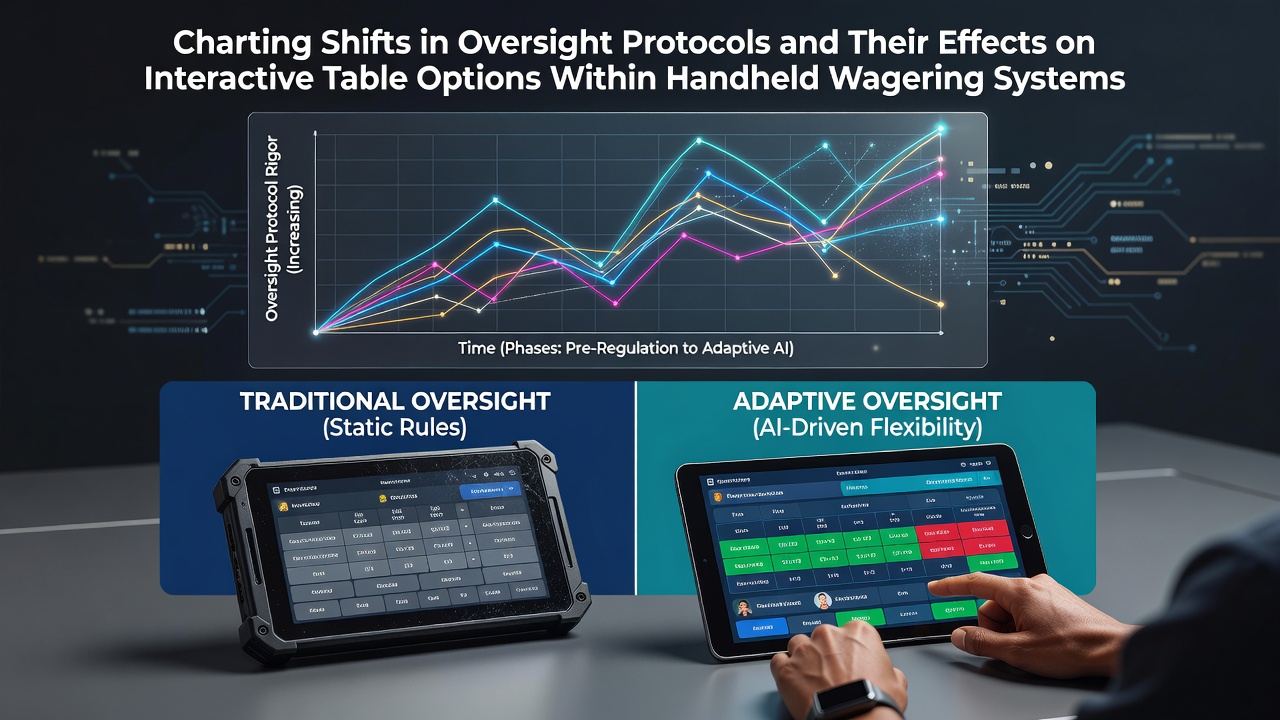
Regulatory bodies across multiple jurisdictions have adjusted oversight protocols for digital wagering platforms throughout 2025 and into June 2026, with direct consequences for interactive table options available on handheld devices. These adjustments target verification procedures, real-time monitoring requirements, and data handling standards that apply specifically to games such as blackjack, roulette, and poker delivered through mobile applications. Operators must now align their systems with updated criteria that affect how players access and engage with live or simulated table environments on smartphones and tablets.
Protocol Adjustments in Key Markets
State-level regulators in the United States along with provincial authorities in Canada have introduced layered verification steps for handheld wagering accounts during the first half of 2026. These steps require continuous authentication checks during active table sessions rather than one-time logins at the start of play. Data compiled by the Nevada Gaming Control Board shows that mobile table game participation increased by 14 percent in the first quarter of 2026 compared with the same period in 2025, yet session durations for interactive tables shortened after new authentication layers took effect in April.
European markets implemented parallel changes through updated technical standards issued by national gaming authorities in Germany and the Netherlands. These standards emphasize transaction logging at the individual game level for handheld devices, which forces platform providers to rebuild backend connections between mobile clients and central servers. The result appears in restricted features such as simultaneous multi-table play and rapid bet adjustments that previously operated without interruption on tablets.
Consequences for Interactive Table Functionality
Interactive table options on handheld systems now operate under stricter session timeout rules in several jurisdictions. Platforms must pause or terminate connections when verification signals fall outside defined parameters, a measure intended to reduce unauthorized access during extended play periods. This requirement has prompted developers to redesign user interfaces so that players receive clear prompts without leaving the table environment entirely.
Multiplayer synchronization also faces new constraints. Live dealer streams delivered to mobile devices require additional encryption checkpoints at regular intervals, which can introduce brief latency in regions where network conditions vary. Operators report that these checkpoints have reduced the frequency of dropped connections during peak evening hours, although some users experience momentary freezes when switching between portrait and landscape views on their devices.
Adaptations by Platform Providers
Companies that supply handheld wagering software responded to the protocol shifts by releasing updated application versions in late May and early June 2026. These versions incorporate modular verification components that activate only when specific table games launch rather than throughout the entire app session. The modular approach allows operators to maintain compliance across different regulatory regions without maintaining entirely separate codebases for each market.

Testing conducted by independent laboratories contracted by the New Jersey Division of Gaming Enforcement confirmed that the revised modules meet the required response times for authentication while preserving the core gameplay loop. Laboratory reports indicate that average loading times for live table interfaces increased by less than two seconds on standard 5G connections after the updates deployed.
Regional Variations in Implementation
Australian states have taken a different route by focusing oversight changes on deposit and withdrawal linkages rather than in-game authentication. The resulting framework affects how handheld applications connect table game balances to external payment rails, which in turn influences the availability of certain progressive jackpot tables that rely on pooled funds from multiple jurisdictions. Platforms serving Australian users have adjusted their mobile table catalogs accordingly, removing cross-border jackpot options from apps until further clarification emerges.
Observers note that these regional differences create a patchwork environment where the same handheld device may display different table options depending on the user's registered location. Developers address this through geofencing techniques that activate specific rule sets based on detected IP ranges and account registration data.
Conclusion
Shifts in oversight protocols continue to reshape interactive table options within handheld wagering systems as regulators refine their approaches through June 2026 and beyond. Platform providers adapt by embedding compliance features directly into mobile codebases, while regional authorities maintain distinct requirements that influence which table formats remain accessible on smartphones and tablets. The ongoing adjustments demonstrate how verification and monitoring standards translate into concrete changes in the user experience for digital table games delivered through handheld channels.