Player Loyalty Escalations Fueled by Transaction Security Measures in Portable Slot and Table Game Hubs
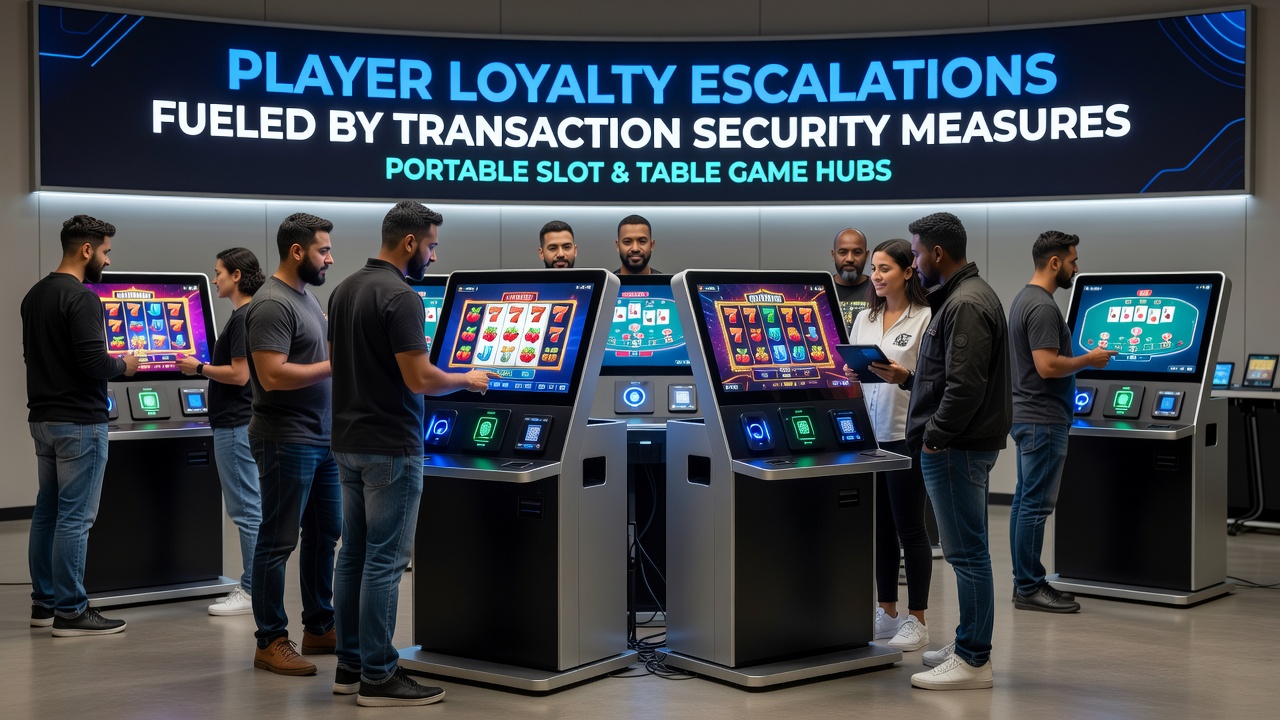
Portable slot and table game hubs have seen transaction security protocols tighten considerably through mid-2026, and data from industry monitoring groups shows corresponding rises in player retention metrics. Researchers tracking mobile gaming platforms note that encryption standards, multi-factor authentication layers, and real-time fraud detection systems correlate with longer user sessions and higher repeat engagement rates across both slot and live table formats.
Security upgrades often include tokenization of payment details and biometric verification tied directly to device hardware. These measures reduce unauthorized access incidents, which in turn allows operators to maintain uninterrupted reward accumulation for verified accounts. Observers tracking loyalty programs report that accounts protected by advanced verification complete tier advancement steps at noticeably higher rates than those using basic login methods.
Security Protocols and Their Direct Effects on Retention
Transaction safety features operate through layered verification that checks device fingerprints, location consistency, and spending patterns before processing deposits or withdrawals. When these checks run smoothly, players experience fewer interruptions during gameplay sequences, particularly in portable environments where network shifts occur frequently. Studies conducted by university research teams indicate that seamless verification flows associate with increased daily active users on platforms offering both slot reels and dealer-hosted table games.
One analysis of mobile hub data from the first half of 2026 revealed that platforms implementing end-to-end encryption for all financial transfers recorded a measurable uptick in loyalty point redemptions. The same datasets showed fewer account lockouts after security incidents, which previously disrupted progression through reward tiers. Those who study user behavior patterns note that consistent access to accumulated benefits encourages continued platform use over switching to alternative services.
Regional Developments in July 2026
Regulatory updates rolling out in several jurisdictions during July 2026 emphasized mandatory security audits for portable gaming operators. Figures from North American oversight bodies highlight that compliance with these audits aligns with improved player trust scores in post-audit surveys. Meanwhile, operators in parts of Europe and Asia have introduced region-specific authentication tools that integrate with local banking systems, further stabilizing transaction flows for cross-border users.
Data released by the American Gaming Association points to growth in mobile table game participation where secure wallet integrations are present. These integrations allow instant verification without exposing full financial details, which supports steady progression through loyalty structures. Platforms that adopted such tools earlier in 2026 documented higher completion rates for bonus cycles tied to slot play volume.

Connections Between Funding Safeguards and Tiered Rewards
Funding safeguards such as automated velocity checks and anomaly alerts work alongside loyalty engines that track play volume and deposit consistency. When security systems flag and resolve issues quickly, players maintain access to escalating reward brackets without manual intervention. Industry reports compiled by research institutions show that accounts experiencing zero transaction disputes over a six-month window advance through loyalty levels at accelerated paces compared with those encountering occasional holds.
Portable hubs that combine these safeguards with instant deposit confirmations report stronger correlations between session frequency and reward eligibility. Experts monitoring these systems observe that reduced friction during fund movements allows players to focus on gameplay itself, whether spinning slots or participating in live dealer rounds. This sustained engagement feeds directly into higher loyalty point totals and associated benefits.
Examples from Operational Platforms
Take the case of several mid-sized operators who rolled out enhanced biometric login paired with transaction monitoring in portable environments. Their internal metrics, shared through trade publications, indicated loyalty program enrollment grew by double-digit percentages within two quarters. Another example involves platforms that linked secure cryptocurrency options to existing reward pathways; retention data from those deployments showed prolonged account activity spanning multiple weeks without drop-off.
These patterns appear across both slot-dominant and table game-focused mobile hubs, suggesting the effect stems from the security layer rather than game type alone. Regulatory filings from various state and provincial bodies further confirm that operators with robust verification protocols encounter fewer compliance-related account reviews, keeping reward systems running continuously for users.
Conclusion
Transaction security measures in portable slot and table game environments continue to shape loyalty dynamics through 2026. Platforms prioritizing encryption, verification speed, and fraud prevention demonstrate stronger retention indicators tied to reward progression. As operators refine these systems, data from multiple regions will likely clarify the precise mechanisms driving sustained player participation across mobile formats.