Spotting Overlooked Links Between Transaction Options and Tiered Reward Pathways in Portable Entertainment Options
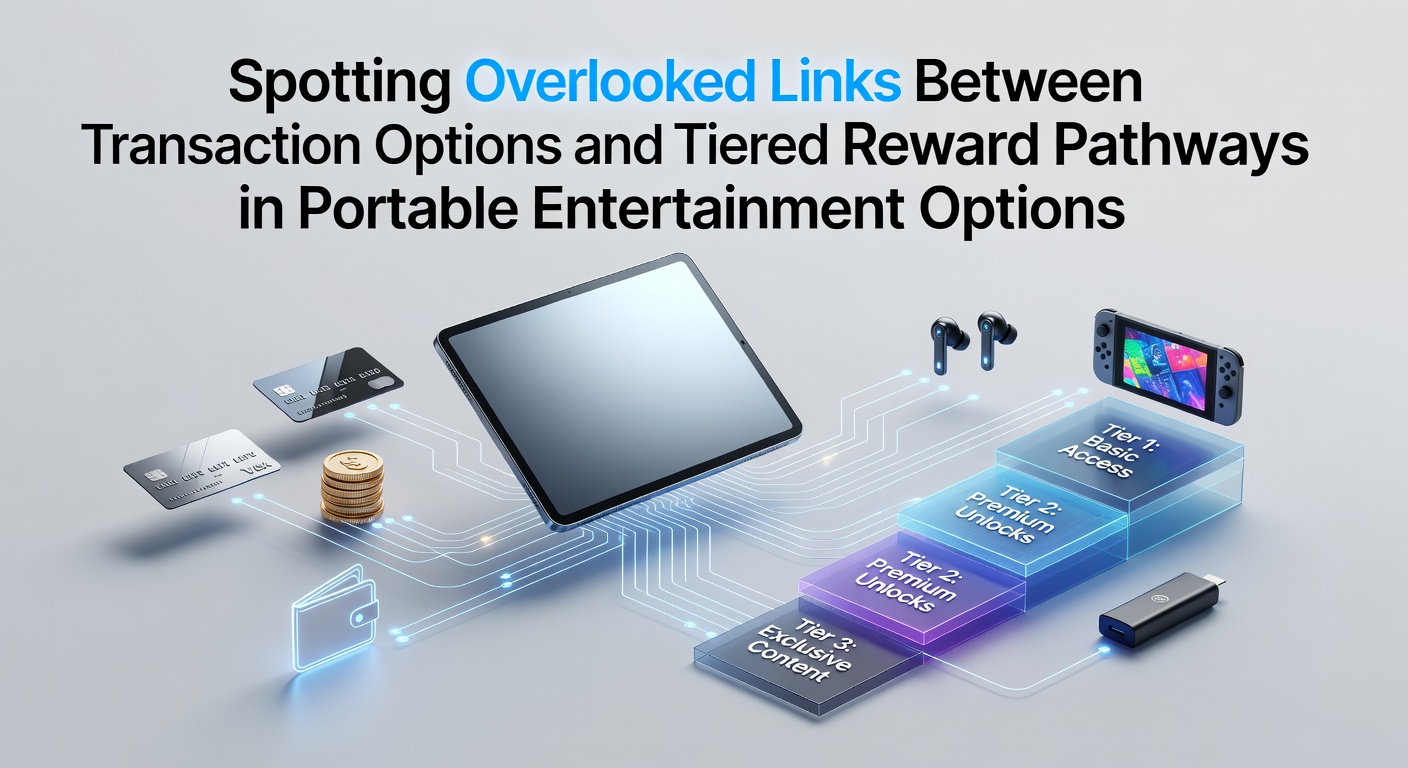
Portable entertainment options continue to expand rapidly as users seek seamless access to games, live events, and interactive experiences on their devices, and observers note that transaction methods often determine which reward pathways become available over time. Data from various markets indicate that payment choices such as bank transfers, digital wallets, and prepaid cards create distinct entry points into tiered systems where benefits accumulate based on activity levels and deposit patterns, while researchers have documented how these mechanics operate across multiple platforms without drawing widespread attention.
Transaction Options in Mobile Environments
Users encounter a range of payment tools when engaging with portable entertainment services, and these options frequently include instant bank links, cryptocurrency transfers, and integrated mobile payment services that process funds in seconds rather than minutes. Studies reveal that platforms prioritize certain methods because they reduce processing costs and improve settlement speeds, which in turn allows operators to allocate resources toward reward structures that scale with user engagement. In May 2026, industry figures show continued growth in the adoption of contactless and app-based payments across entertainment hubs, particularly as regulatory frameworks in multiple regions adapt to support faster verification processes without compromising security standards.
Tiered Reward Pathways Explained
Reward systems in portable entertainment typically organize benefits into progressive levels where participants unlock additional features, bonus credits, or priority access after meeting activity thresholds measured by deposits, playtime, or transaction frequency. Evidence suggests that these pathways operate through algorithmic tracking that monitors spending habits and converts them into points or status upgrades, yet many users remain unaware of how initial payment selections influence the speed at which higher tiers open. Those who have examined these systems find that lower-cost transaction methods sometimes accelerate progress toward mid-level rewards while premium options may grant immediate entry into exclusive categories with enhanced payout multipliers or event invitations.
Connections Between Payments and Rewards
Overlooked relationships emerge when analysts compare how different transaction types feed into reward calculations, and one study revealed that platforms adjust tier advancement rates depending on whether funds arrive through verified bank channels or third-party processors. What's interesting is that certain digital wallet integrations trigger automatic bonus multipliers on the first deposit of each month, whereas traditional card payments might require higher volume before similar incentives activate. Observers note that these variations create subtle but measurable differences in long-term user outcomes, especially when participants maintain consistent activity across multiple portable sessions.
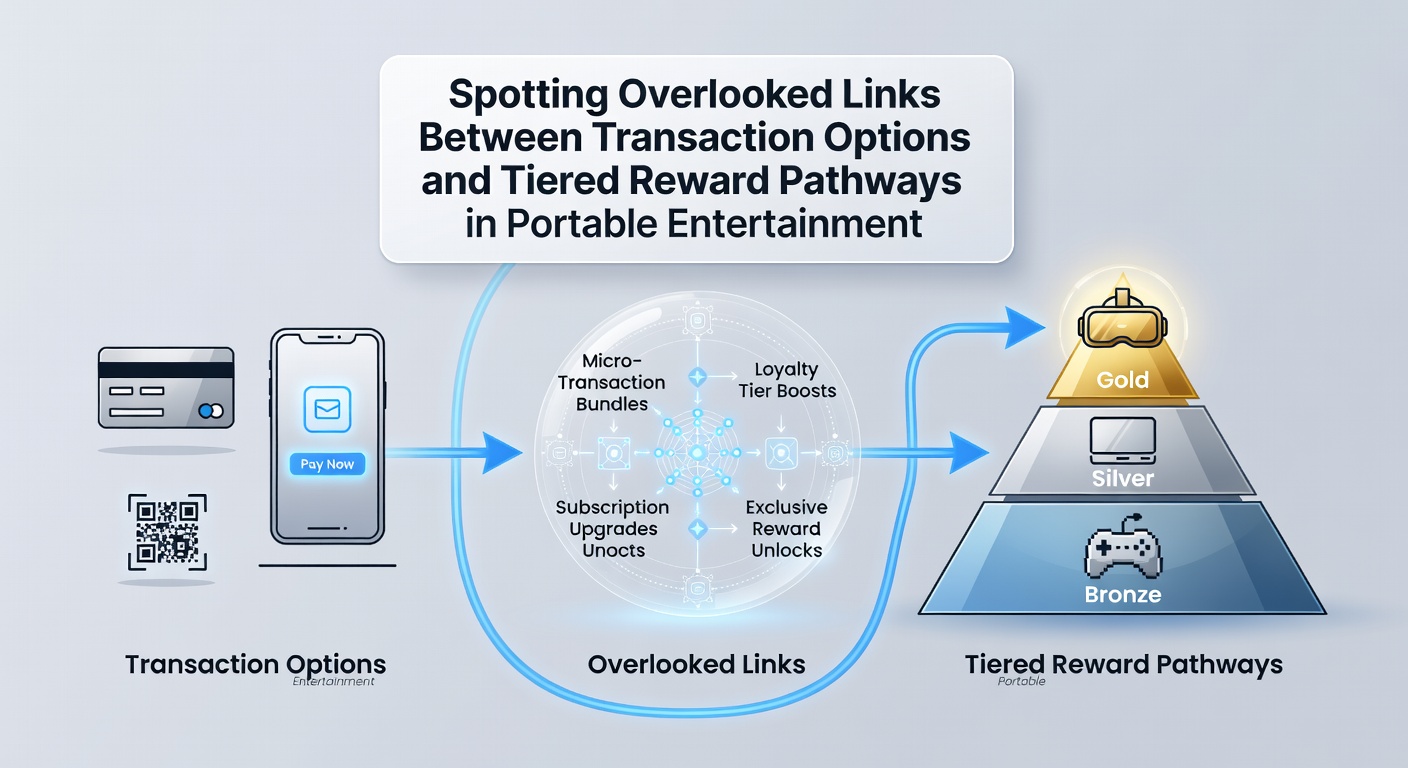
Take one platform where experts tracked user cohorts and found that those starting with e-wallet deposits reached silver-level rewards 18 percent faster than peers using direct carrier billing, and this pattern held across several months of data collection. Researchers discovered similar trends in other markets where prepaid options delayed tier progression because they carried additional verification layers that slowed point accumulation. The reality is that these mechanics remain embedded in the backend logic of entertainment applications, and only detailed transaction histories expose the full scope of their influence.
Regional Examples and Data Patterns
Platforms operating in North America demonstrate clear correlations between approved payment lists and reward eligibility, according to reports from the Alcohol and Gaming Commission of Ontario. Users who select methods with built-in identity confirmation often bypass initial hurdles that otherwise delay entry into bronze or gold pathways. In Australia, figures from government monitoring bodies show parallel developments where instant payment rails correlate with quicker access to seasonal promotions tied to tier status, and these trends appear consistent across both established operators and newer mobile-first services.
Another example comes from European markets where transaction safety protocols intersect with reward design, and data indicates that platforms using SEPA transfers experience fewer interruptions in tier tracking compared with those relying on card networks prone to authorization delays. People who've reviewed aggregated user reports note that these differences compound over repeated sessions, leading some participants to adjust their preferred payment tools specifically to optimize reward flow.
Technical Factors Driving the Links
Backend systems rely on application programming interfaces that categorize incoming transactions by type, speed, and verification level, then feed this metadata directly into reward engines. This integration means that a single change in payment provider can alter how quickly points convert into tier upgrades, and analysts have observed that platforms test multiple configurations to balance operational costs against user retention metrics. Because these processes run automatically, participants rarely see the decision trees that determine their progression, which contributes to the overlooked nature of the connections.
Security features embedded in certain transaction options also affect reward pathways, since enhanced fraud checks sometimes pause point awards until manual review completes. In contrast, methods with real-time settlement allow uninterrupted tracking, and this distinction becomes especially relevant during peak usage periods when portable entertainment traffic surges.
Conclusion
The interplay between transaction options and tiered reward pathways in portable entertainment options rests on measurable technical and operational factors that shape user experiences across markets. Data continues to highlight how payment method selections influence advancement rates and benefit availability, and ongoing developments in May 2026 reflect broader industry efforts to refine these systems for greater transparency. Those examining the landscape find that awareness of these links enables more informed participation without altering the underlying structures that govern rewards.