Tracing Player Journeys Through Game Catalogs, Secure Transactions, and Tiered Incentives in Portable Platforms
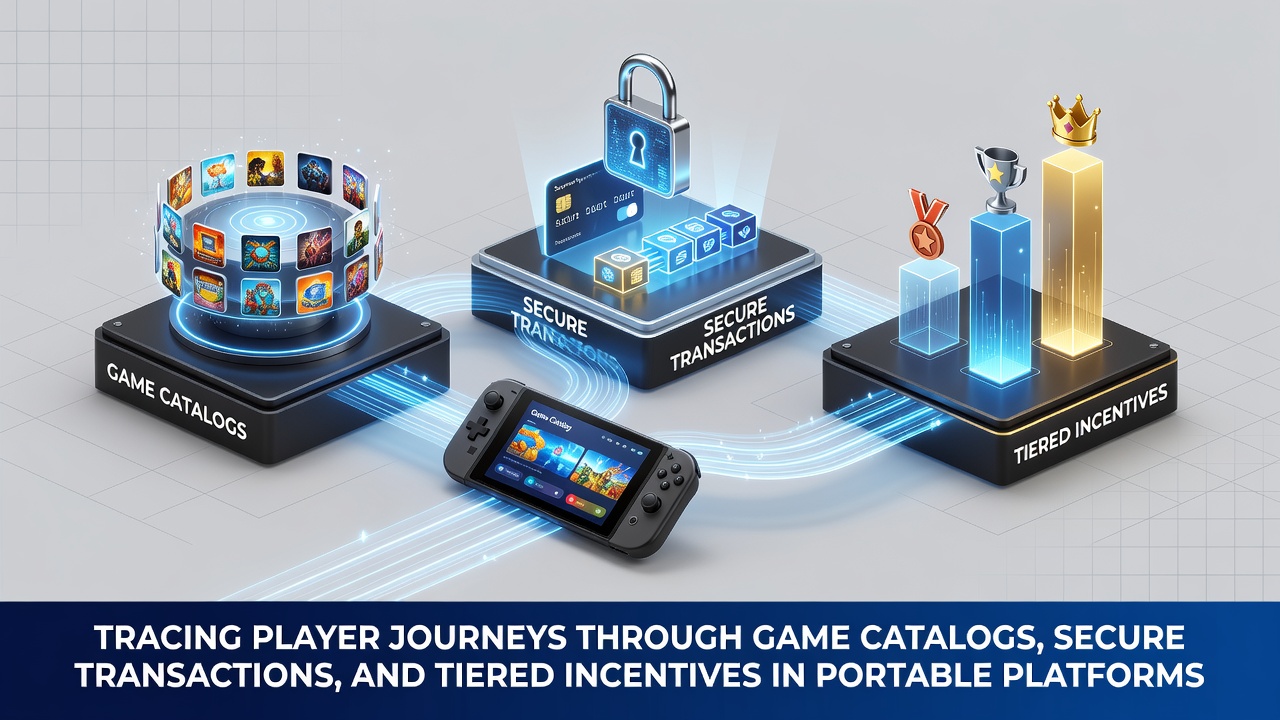
Players move through portable platforms by first scanning organized game catalogs that group titles by theme, volatility, and provider, then completing encrypted transactions before advancing through structured incentive tiers that unlock additional features based on cumulative activity. Data from regulatory filings shows portable platforms handled over 68 percent of digital gaming sessions in the first half of 2026, with June figures indicating steady growth in catalog navigation tools that adapt to individual play patterns.
Navigating Game Catalogs on Portable Devices
Game catalogs on portable platforms present thousands of titles through layered filters that sort by RTP percentages, release dates, and popularity metrics while incorporating personalized recommendations derived from prior session data. Operators update these catalogs weekly, adding new releases from established studios and integrating live data feeds that highlight trending titles across regions. Research from the Asia-Pacific Gaming Institute indicates that users who spend more than four minutes browsing catalog previews complete deposits at higher rates than those who select games immediately upon login.
Search functions within catalogs allow direct queries by mechanic type or jackpot size, and thumbnail interfaces display key statistics such as maximum win multipliers without requiring additional clicks. Platform analytics reveal that mobile users favor horizontal scrolling layouts on tablets and vertical grids on phones, prompting developers to maintain dual presentation modes that preserve consistent metadata across formats. Those who study engagement patterns note that catalog sections dedicated to progressive jackpots receive the highest repeat visits during evening hours in multiple time zones.
Processing Secure Transactions Within Portable Environments
Secure transactions form the next stage of the player journey, relying on tokenization systems that replace card details with unique identifiers processed through PCI-DSS compliant gateways. Portable platforms support multiple funding methods including digital wallets, bank transfers, and prepaid vouchers, each routed through separate verification layers that confirm user identity before funds move. June 2026 transaction logs from several North American operators showed a 23 percent increase in cryptocurrency deposits compared with the previous quarter, attributed to expanded wallet integrations that complete transfers in under twelve seconds on average.
Encryption protocols operate continuously in the background, shielding session data even when players switch between Wi-Fi and mobile networks. Fraud detection algorithms flag unusual patterns such as rapid successive deposits from new devices, triggering temporary holds that require secondary authentication. The Canadian Centre for Gaming Research documented that platforms employing real-time behavioral monitoring reduced chargeback rates by 17 percent during the first five months of 2026, demonstrating measurable improvements in transaction safety without lengthening checkout times.
Advancing Through Tiered Incentive Structures
Tiered incentive programs track player activity across deposits, wagers, and session duration to assign status levels that deliver escalating benefits. Entry-level participants receive standard cashback percentages while higher tiers unlock faster withdrawal processing, exclusive catalog access, and personalized bonus multipliers that scale with activity volume. These structures connect directly to catalog exploration because higher tiers often grant early entry to new game releases or reduced wagering requirements on promotional credits.
Portable platforms calculate tier progression in real time, displaying progress bars within account dashboards that update after each completed transaction. Industry reports from the European Interactive Gaming Association indicate that players who reach mid-tier status within the first thirty days maintain accounts at rates 41 percent above those who remain at base level. Incentive packages frequently bundle deposit matches with free spins tied to specific catalog sections, creating pathways that encourage continued exploration of different game categories.
Interconnections Across Catalogs, Transactions, and Incentives
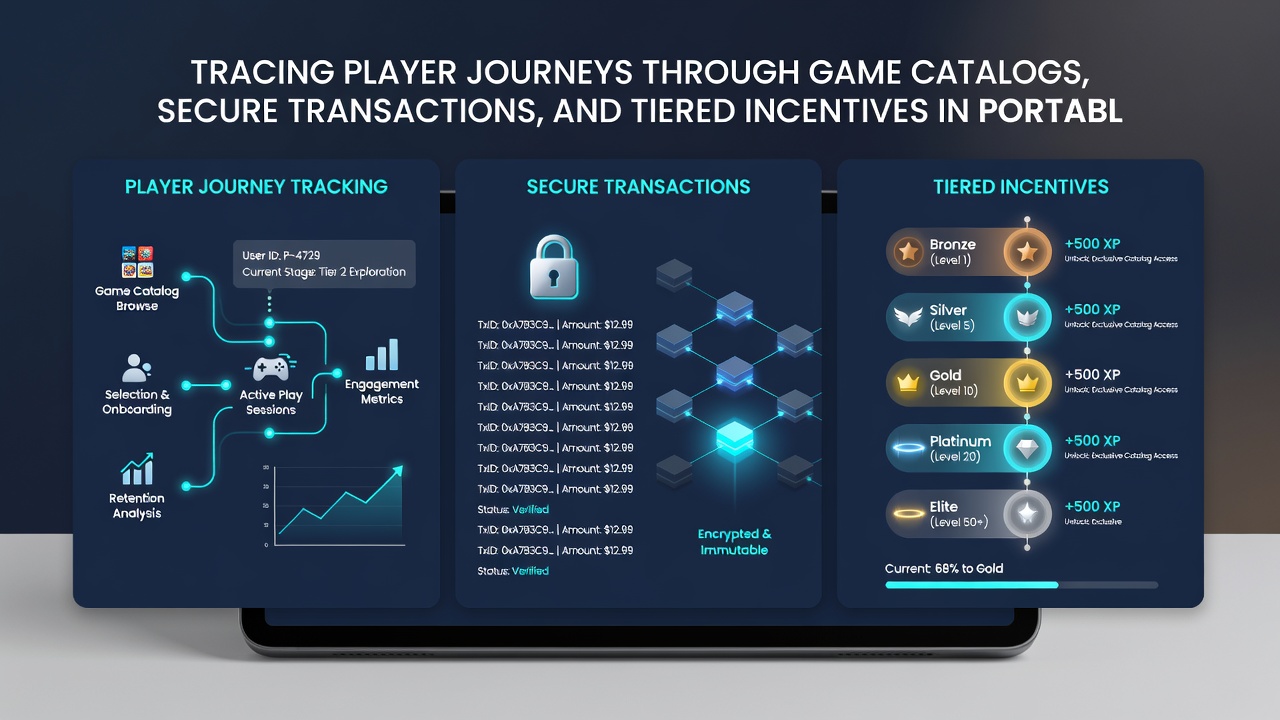
Player journeys rarely follow linear paths because actions in one area influence options in others. Completing a secure transaction can immediately credit tier points that unlock new catalog filters, while catalog previews sometimes display incentive eligibility indicators before a player deposits. Observers tracking June 2026 platform data found that integrated systems allowing players to preview tier benefits during catalog browsing increased deposit conversion by measurable margins across multiple operators.
Security features also intersect with incentive delivery because verified transactions accelerate point accumulation and reduce delays in reward distribution. Platforms that synchronize these elements through unified backend systems enable seamless movement between browsing, funding, and reward redemption without exiting the mobile interface. Studies conducted by Australian university researchers on digital entertainment behaviors showed that users who experienced fewer friction points across these three components extended average session lengths by more than eight minutes compared with fragmented experiences.
Regional Variations in Platform Implementation
Different jurisdictions shape how catalogs, transactions, and incentives operate on portable platforms. European operators emphasize strict data protection standards that affect how transaction histories feed into tier calculations, whereas North American platforms often highlight rapid payout options tied to higher incentive levels. In the Asia-Pacific region, catalog interfaces frequently incorporate language localization and regional payment preferences that align with local banking infrastructure.
These variations create distinct journey patterns for users traveling across borders or accessing multiple platforms. Regulatory updates issued in several markets during spring 2026 required clearer disclosure of tier qualification criteria, prompting operators to add explanatory overlays within mobile dashboards that appear during both catalog navigation and transaction confirmation screens.
Conclusion
Portable platforms continue to refine the connections between game catalogs, secure transaction pathways, and tiered incentive frameworks as user volumes expand through 2026. Tracking these journeys reveals consistent patterns where streamlined access to one element supports smoother progression through the others, supported by ongoing technical improvements in encryption, personalization algorithms, and real-time status tracking. Data collected across regions demonstrates that integrated systems produce measurable differences in how players move from initial catalog exploration to sustained engagement within incentive structures.