When Payment Channels Meet Game Catalogs: Unseen Connections in Digital Betting Landscapes
Payment channels and game catalogs form tightly linked systems in digital betting environments where transaction methods directly shape which titles appear in player libraries and how quickly those options load across devices. Systems process payments through APIs that feed real-time data into catalog engines, determining availability based on currency support, settlement speed, and compliance flags attached to each funding source. Observers note these connections influence everything from slot machine libraries to live dealer tables, especially as platforms expand mobile access in 2026.
API Integrations Driving Catalog Availability
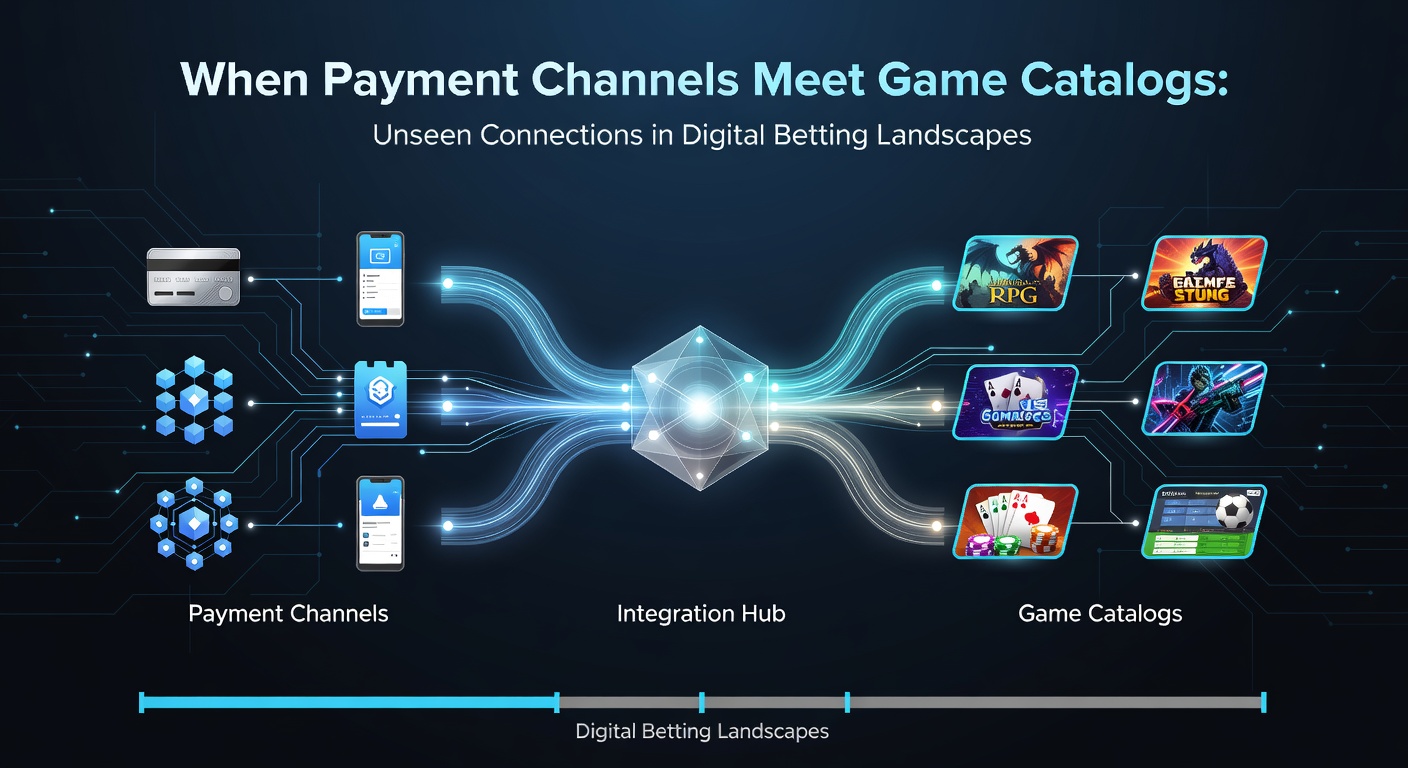
Developers build direct bridges between payment processors and game servers so that approved funding methods unlock specific sections of a catalog without manual intervention. A player selecting an e-wallet triggers queries that check regional licensing rules and then surface matching titles from the full library. Data indicates these automated handshakes reduce loading times while filtering out restricted content based on the payment channel's origin country or transaction type.
Multiple studios embed metadata tags in each game that reference accepted payment rails, allowing platforms to assemble personalized catalogs dynamically. When a user adds a new bank transfer option, the system refreshes available games within seconds rather than requiring separate verification steps. Researchers at institutions studying fintech applications in entertainment have documented similar patterns where catalog size expands or contracts depending on the number of supported processors.
Regional Regulatory Effects on Transaction-Game Links
Authorities in various jurisdictions impose requirements that tie payment approvals to catalog content, creating geographic differences in what players see. In May 2026, updates from several oversight bodies highlighted how platforms must log every payment-to-game mapping for audit trails, increasing transparency around these hidden connections. Australian Communications and Media Authority reports detail similar compliance frameworks that affect catalog presentation for operators serving that market.
European operators face additional layers where payment channel verification interacts with responsible gaming tools embedded in game catalogs. Systems automatically apply session limits or reality checks based on the funding method selected, since certain processors carry higher risk profiles according to internal scoring models. These automated responses show up as reduced game variety or slower bonus activation for higher-risk channels.
Data Patterns in Mobile and Desktop Experiences
Analytics from platform operators reveal that instant payment methods correlate with higher engagement in live dealer segments of catalogs, while slower bank transfers often route users toward slot collections with longer session designs. These correlations emerge because settlement speed affects how quickly promotional credits appear in player accounts and become spendable on specific titles. Figures from industry tracking services show measurable shifts in catalog navigation paths tied directly to the chosen transaction rail.
Case studies from North American operators demonstrate that adding cryptocurrency options expanded access to niche tournament-style games previously gated behind traditional banking delays. The new channels bypassed certain verification bottlenecks, allowing catalogs to surface those titles immediately after deposit confirmation. Similar expansions occurred when platforms integrated regional digital wallets popular in Southeast Asia, revealing previously underused sections of international game libraries.
Security Protocols Linking Payments and Content Delivery
Encryption standards applied during payment processing extend into game delivery pipelines, ensuring that catalog metadata travels alongside transaction records without exposing sensitive details. Platforms maintain separate yet synchronized databases so that any flagged transaction automatically restricts associated game access until review completes. This layered approach prevents unauthorized catalog browsing even when payment attempts fail or trigger additional checks.
Third-party security audits confirm that these synchronized systems reduce fraud vectors that previously exploited mismatches between payment status and game eligibility. Operators update their mapping tables regularly to reflect new processor rules or catalog additions, maintaining consistency across thousands of titles. The process operates continuously, adjusting in real time as regulatory guidance evolves.
Conclusion
Connections between payment channels and game catalogs continue to deepen through automated systems that prioritize compliance, speed, and regional alignment. These intersections determine catalog composition more than standalone game development decisions, shaping what reaches players across devices. Continued documentation from regulatory sources and research institutions shows the patterns persist as digital betting infrastructure advances into mid-2026 and beyond.